Family rhythms
Start with one small rhythm, not a whole new routine
A backpack, a water bottle, a place for tomorrow’s shoes. A calmer morning can begin with one small thing tonight.
The Family Table Project · Inspired by the August 2026 newspaper
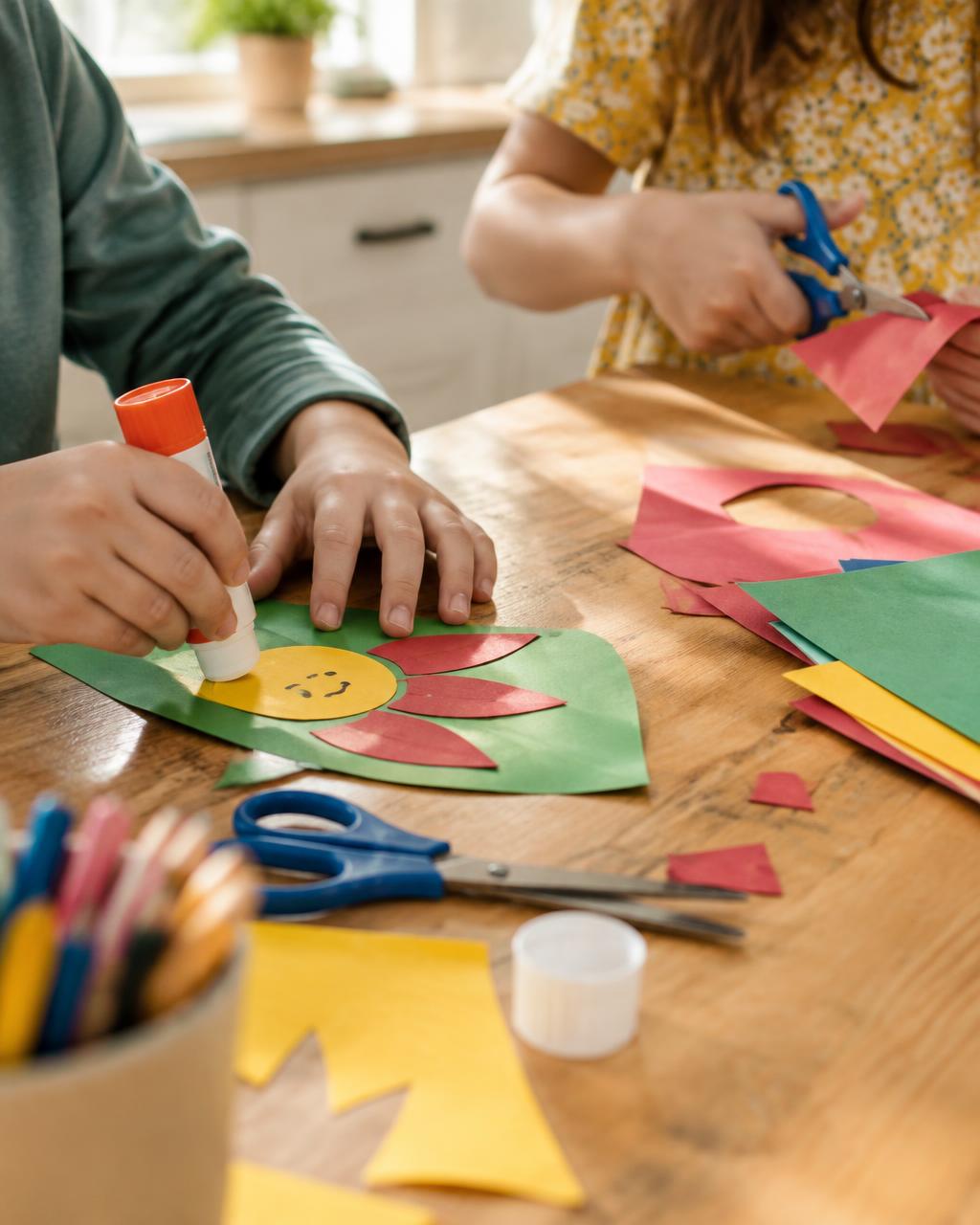
Some days, family life feels like a stream of questions. Where are my shoes? What comes next? Did anyone pack the backpack? By breakfast, you might already feel as though you’ve done a full day’s work just remembering things for everyone else.
You don’t need to solve every part of the day at once. Start with one repeated moment that your family can recognize and practice together. Not a minute-by-minute schedule. Just a small sequence that makes the next step easier to see.
Choose the moment that needs a little help
Look for one recurring snag: getting out the door, putting things away after school, or settling down before bed. Pick one, not all three. A useful rhythm belongs to the day you actually live, rather than the perfectly organized day you wish you had.
For example, after dinner, put tomorrow’s backpack by the door, lay out clothes, and set the water bottle beside the bag. If three steps feel like too much, start with just the backpack.
Show it, share it, then step back
The August newspaper explores a simple progression: I do, we do, you do, skilled. First, demonstrate the task and say what you’re doing. Next, practice it together. Then let your child try while you stay available to help.
A younger child might carry a bag to its spot while you check the contents. An older child might make their own checklist. Keep the responsibility appropriate to their abilities, and don’t mistake needing practice for refusing to learn.
Make the next step easy to find
A basket by the door or a short paper checklist can hold a reminder that would otherwise live in your head. Keep the items where the action happens. Shoes belong near the leaving-the-house moment; a bedtime list belongs where your child gets ready for bed.
Let children help choose the spot or draw the checklist. The point isn’t a beautiful system. It’s one they can use.
Leave room for a reset
Some nights the bag will be forgotten. Some mornings everyone will still be late. Go back to the next useful step instead of declaring the whole rhythm a failure.
Notice something concrete: ‘You remembered your water bottle without me asking.’ Acknowledge the effort, repeat the sequence, and adjust anything that makes it unnecessarily hard. There is no deadline for making it automatic.