Capable kids
From chores to contribution: give kids something to own
The goal isn’t a child who loves folding laundry. It’s a child who knows their contribution matters.
The Family Table Project · Inspired by the September 2026 newspaper
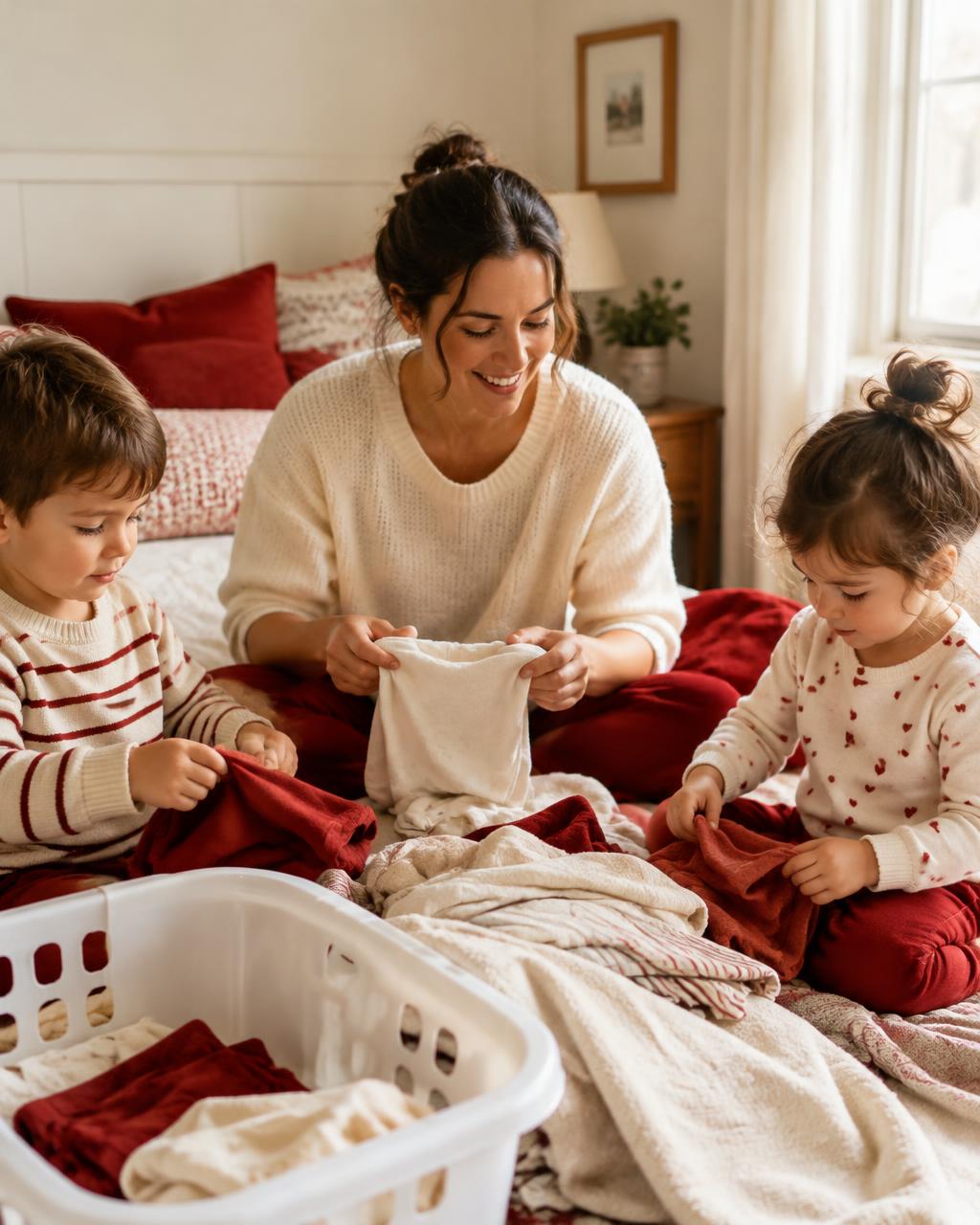
Say ‘chore time’ and suddenly someone needs a drink, a bathroom break, or a very important conversation about anything else. Changing the word won’t magically make dishes exciting. But changing how you talk about the work can give it a different meaning.
A household is something everyone lives in, and everyone can contribute to. The September newspaper invites families to move from ‘helping Mom’ to owning a small, real part of family life.
Offer a choice that still meets a real need
Choose a few tasks that genuinely need doing and that your child can manage safely. Then invite them to pick one. Setting out napkins, pairing socks, or checking a pet’s water with adult guidance all count.
For older kids, the choice might be between clearing the table and helping prepare tomorrow’s lunch. You set the boundary; they get a voice within it. Keep the task manageable enough that ownership is possible.
Give ‘done’ a clear finish line
‘Clean up’ can mean very different things to a parent and a child. Try a visible finish line instead: books on the shelf, blocks in the bin, and a clear path across the floor.
Show the task once, do it together, and ask your child to explain what finished looks like. If the job involves sharp tools, heat, chemicals, or other hazards, keep the relevant work with an adult.
Hand over the job, not just one step
Ownership can include noticing, doing, and checking. A child setting the table can count how many people are eating, gather what is needed, and look for anything missing before calling it done.
Stay close enough to teach without quietly taking the work back. If a task is too large, shrink it. A small responsibility they can complete is more useful than a big responsibility an adult always finishes.
Appreciate the contribution without requiring a smile
A child can be less than thrilled about folding towels and still do something valuable. Thank them for the specific difference they made: ‘The towels are ready for everyone’s bath tonight.’
Talk together about what they’re ready to take on next. More independence should fit their growing skills, not depend on a perfect attitude. Avoid making basic care, food, or affection something they have to earn.